
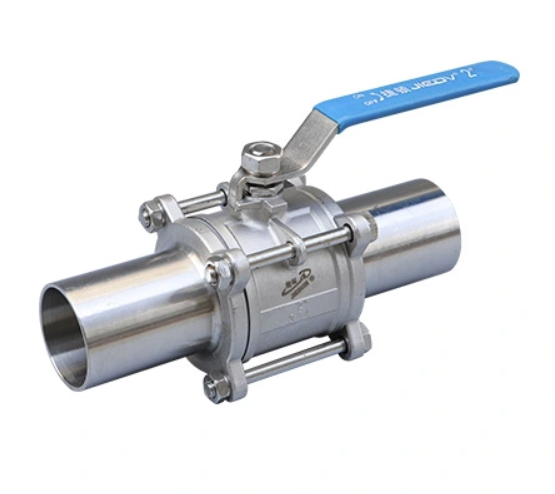
JIEDV Non-Magnetic Valves
- Product No.
- 0504-001
- Details:
ZHEJIANG JIEDUN /JIEDV Non-Magnetic Valves in Valve & Pipe Industry
ZHEJIANG JIEDUN /JIEDV Non-magnetic valves are indispensable for high-magnetic-field environments (e.g., MRI systems). Manufactured from non-ferrous materials (special-grade stainless steels, plastics, ceramics) and adopting pneumatic/mechanical actuation (instead of magnetic solenoids), their common types include dedicated check valves, pneumatic valves, and manual ball valves—all engineered to eliminate magnetic interference or attraction in precision applications.
Rationale for Non-Magnetic Valves
- MRI EnvironmentsCritical for patient monitoring, ventilation, and fluid control, as they prevent image artifacts and magnetic field disruption.
- Sensitive Equipment ScenariosApplied in scientific research and industrial processes where magnetic fields may impair precision instruments or operations.
Types & Illustrations
- Pneumatic ValvesDriven by compressed air, eliminating the need for electric solenoids and ensuring inherent non-magnetic properties.
- Mechanical/Self-Actuated ValvesOperated by fluid pressure or gravity (e.g., non-slam check valves, specialized ball valves), requiring no external magnetic fields.
- Material-Specific ValvesComponents (e.g., engine exhaust valves) made of non-magnetic austenitic stainless steels (304/316 grades), though other parts may still be magnetically susceptible.
Core Features
- Materials: Non-ferrous metals (brass, select stainless steels) or polymers.
- Actuation: Pneumatic (air-powered) or manual (handwheel/lever) drives.
- Key Applications: Medical (MRI), aerospace, and specialized industrial automation.
Contrast with Magnetic Valves
Solenoid valves (typical electromagnetic valves) use electric current to generate magnetic fields for plunger-driven opening/closing. Non-magnetic alternatives eschew this electromagnetic actuation principle entirely.